
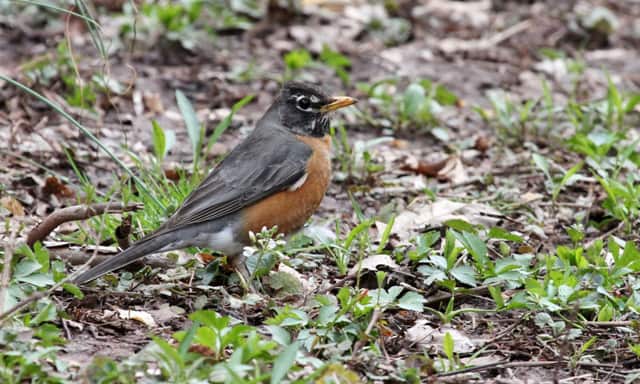
American Robin
Look for The robin’s simple yet evocative cheerily-cheerio song meshes well with the thunk of basketballs and the drone of […]

Look for The robin’s simple yet evocative cheerily-cheerio song meshes well with the thunk of basketballs and the drone of […]
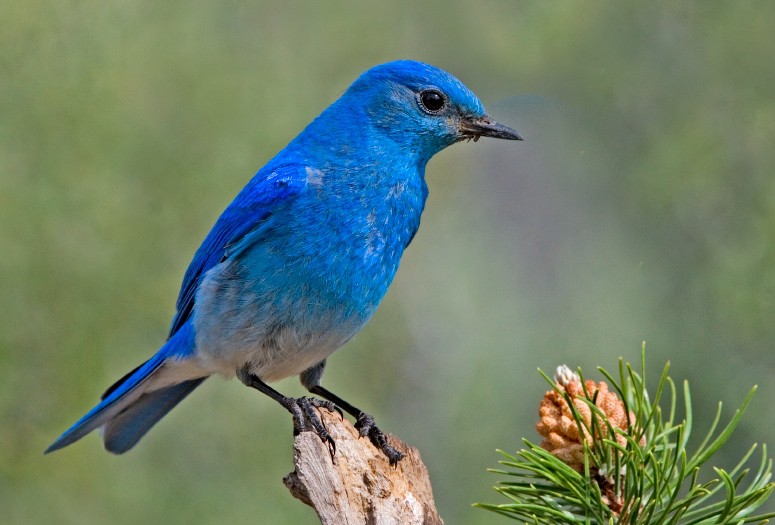
Our all-blue bluebird, the mountain bluebird nests in open country at elevations above 5,000 feet in the west. This species
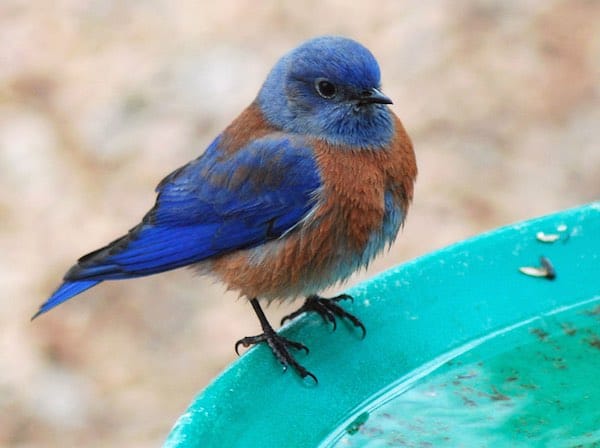
Field Marks Adult males are deep blue on the head, back, and tail with bright rusty breast, shoulders, and back.
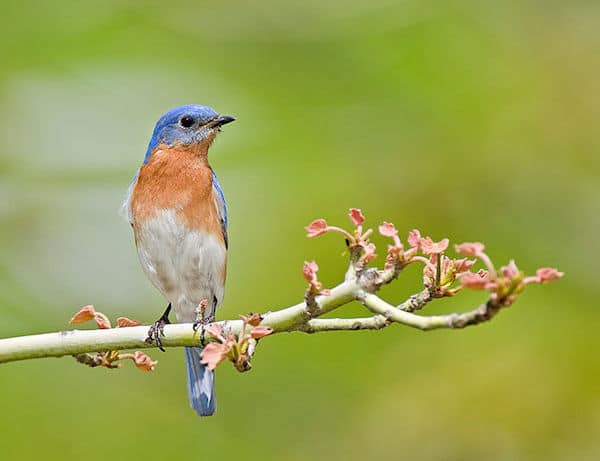
Look for The eastern bluebird is our most famous thrush, even more popular than its cousin, the American robin. Its
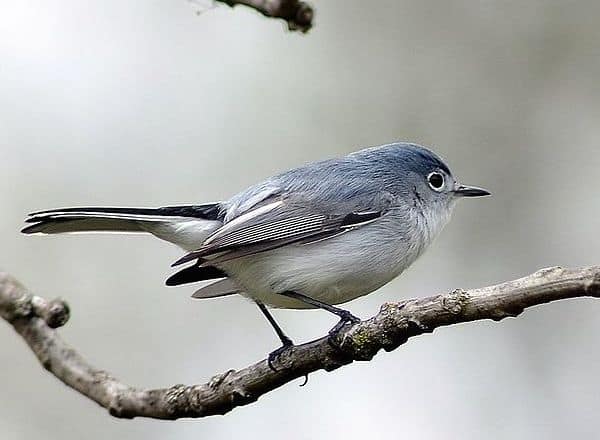
Look for The blue-gray gnatcatcher is the birder’s “mini-mockingbird,” always in motion and usually talking about it. This graceful, delicate,
Blue-gray Gnatcatcher Read More »
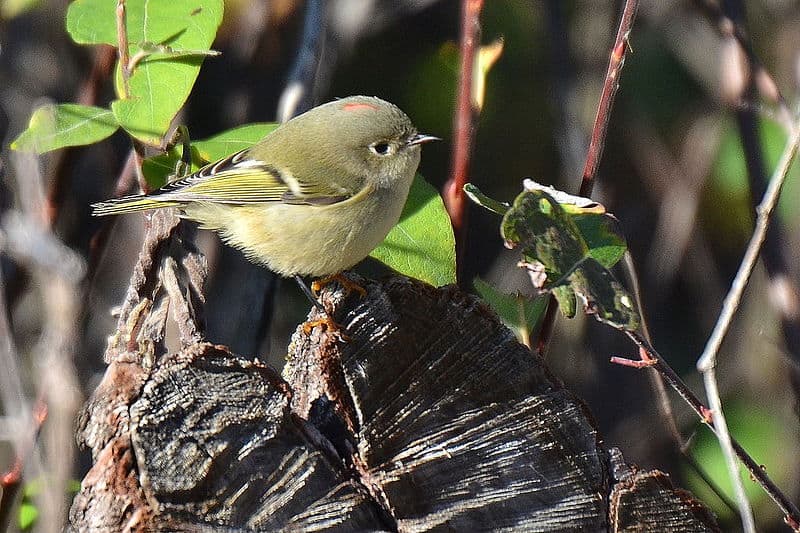
The ruby-crowned kinglet is a small, greenish, active bird recognizable by its big white eye ring, white wing bars, and
Ruby-crowned Kinglet Read More »
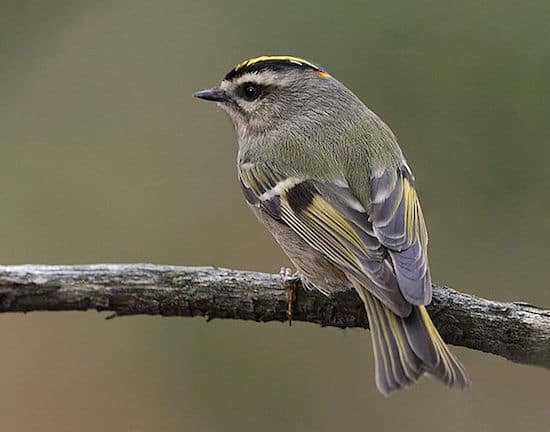
Look for After various hummingbirds, the tiny, plump golden-crowned kinglet is North America’s smallest bird. What it lacks in size,
Golden-crowned Kinglet Read More »
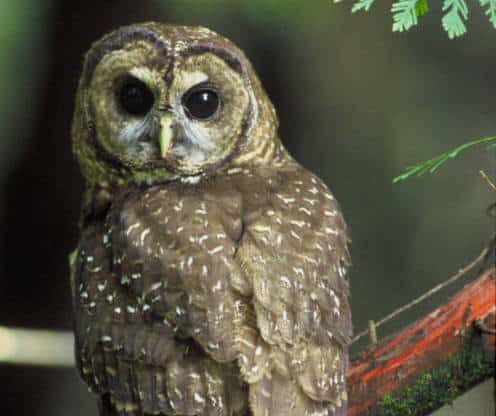
The spotted owl is a large, dark-eyed owl of the old growth forests of the Pacific Northwest and the wooded
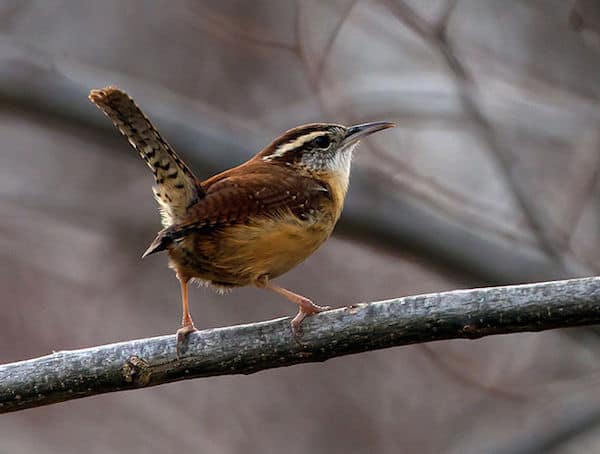
Look for The Carolina wren is a rotund, warm-brown bird that often carries its tail cocked. Leading with its longish,
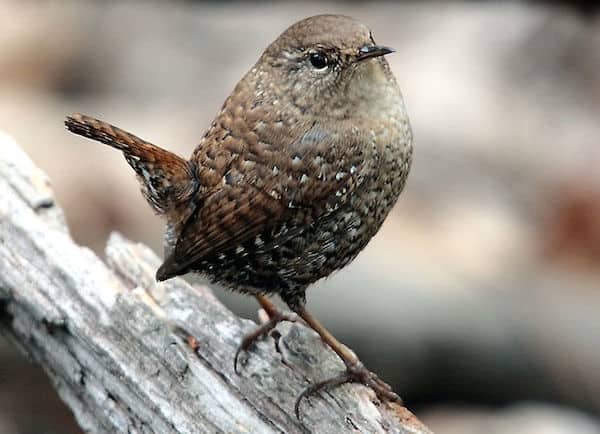
On a per-pound basis, the winter wren generates more song for its weight than any other North American songbird. This
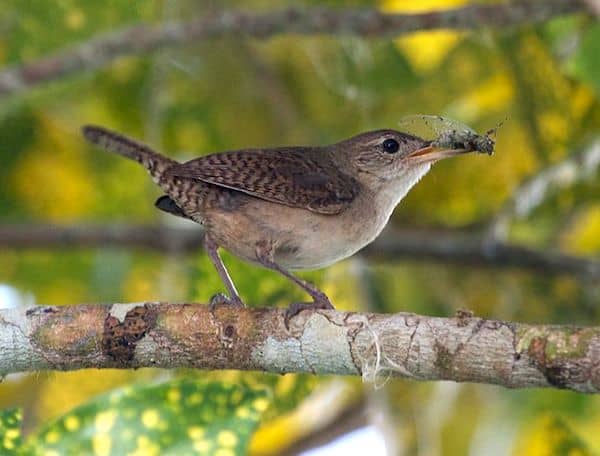
Look for House wrens are notable for their lack of field marks—the warm-brown upperparts and tail are matched by a
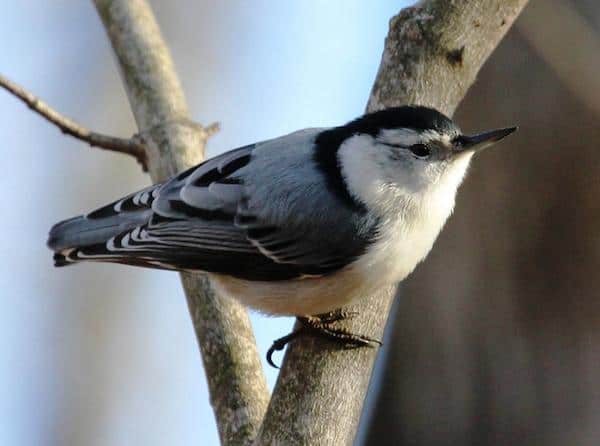
Look for Nuthatches are universally referred to as “upside-down birds,” because they forage by probing the bark of tree trunks
White-breasted Nuthatch Read More »