
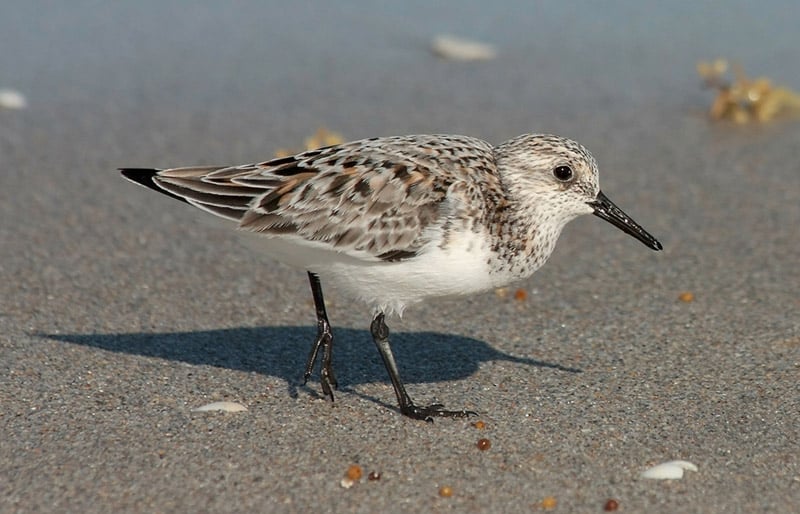
Sanderling
The sanderling is the sandpiper most often encountered near where the waves crash. To make a safe identification of an […]
The sanderling is the sandpiper most often encountered near where the waves crash. To make a safe identification of an […]
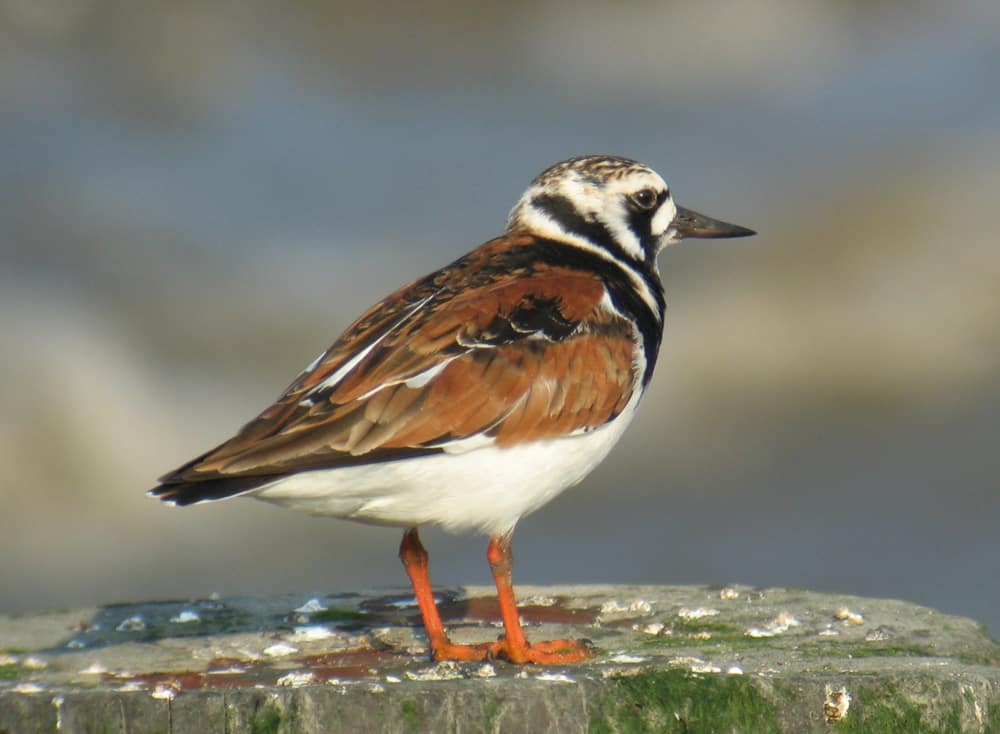
From April through September, the ruddy turnstone has a zebra-striped face and breast and rusty (or ruddy) wings. The rest
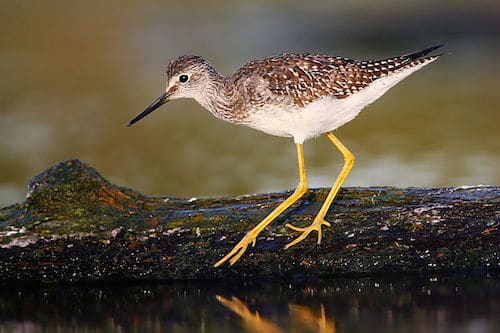
Greater yellowlegs are larger than lesser yellowlegs, but size can be hard to judge unless both species are side by
Greater and Lesser Yellowlegs Read More »
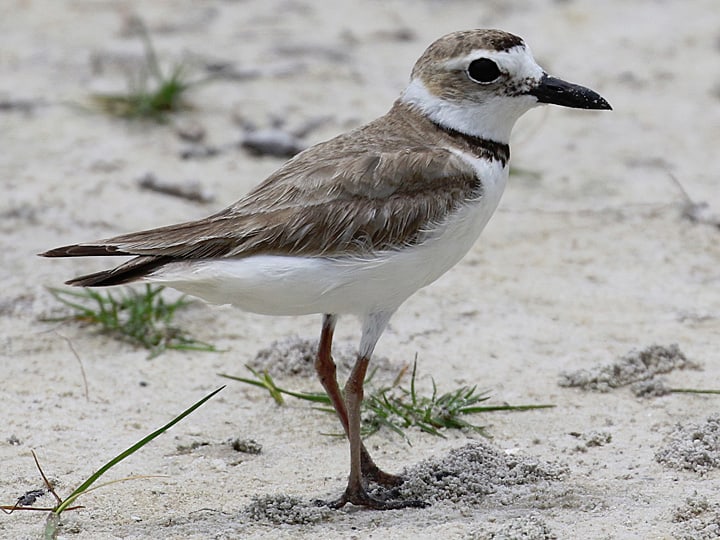
You will most likely encounter the Wilson’s plover on barrier islands, sandy beaches, and mudflats. It is fairly common but
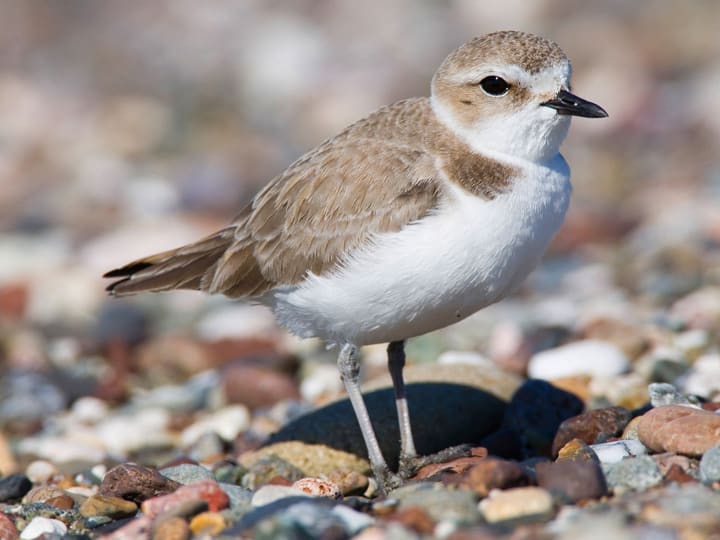
Snowy plover inhabits barren sandy beaches and flats. Its call is a low krut and a soft whistled ku-wheet. The display song (from
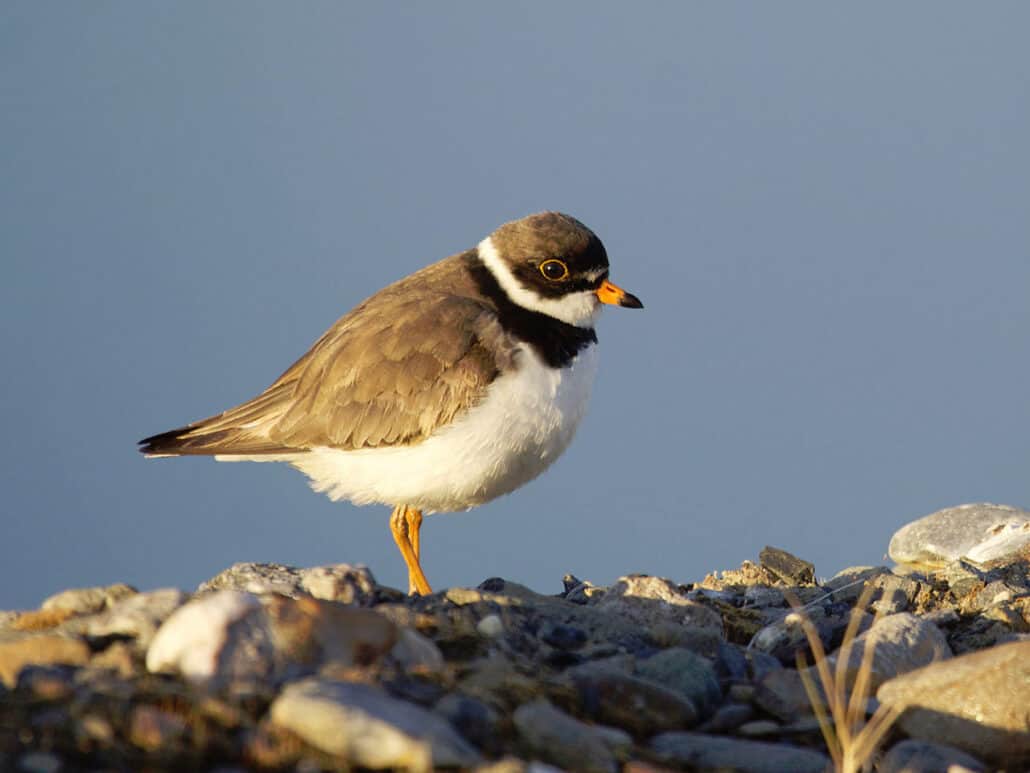
The particular plover is common on beaches, lakeshores, and tidal flats and is seen throughout North America during migration. Its
Semipalmated Plover Read More »
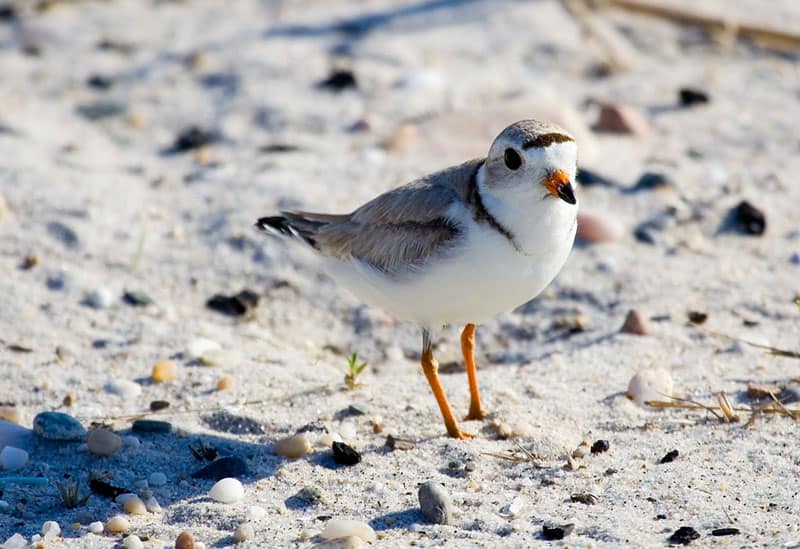
These edges are in actuality straight, but the bill is so thick at the base and through much of its
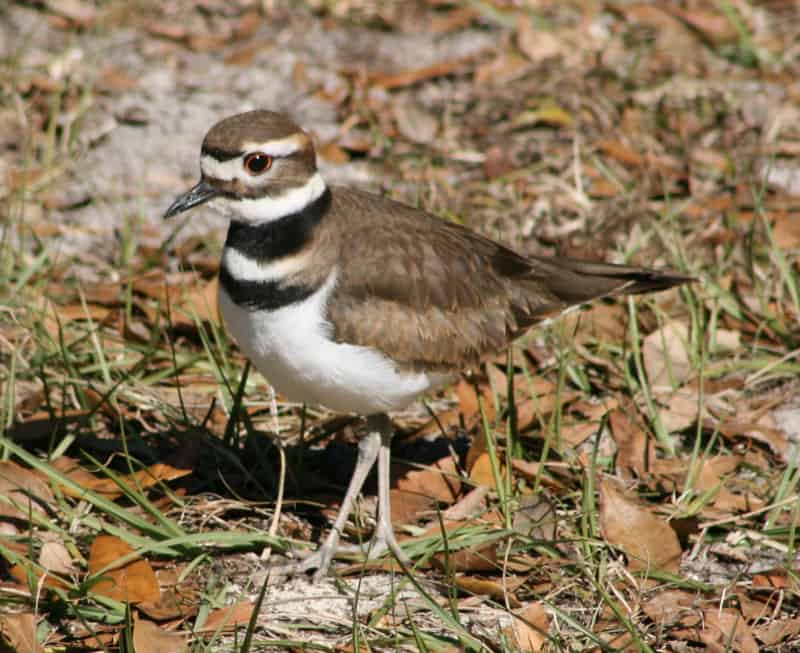
On its white breast, two black bands stand out. Other plovers—such as the smaller but similar semi-palmated plover—have only one
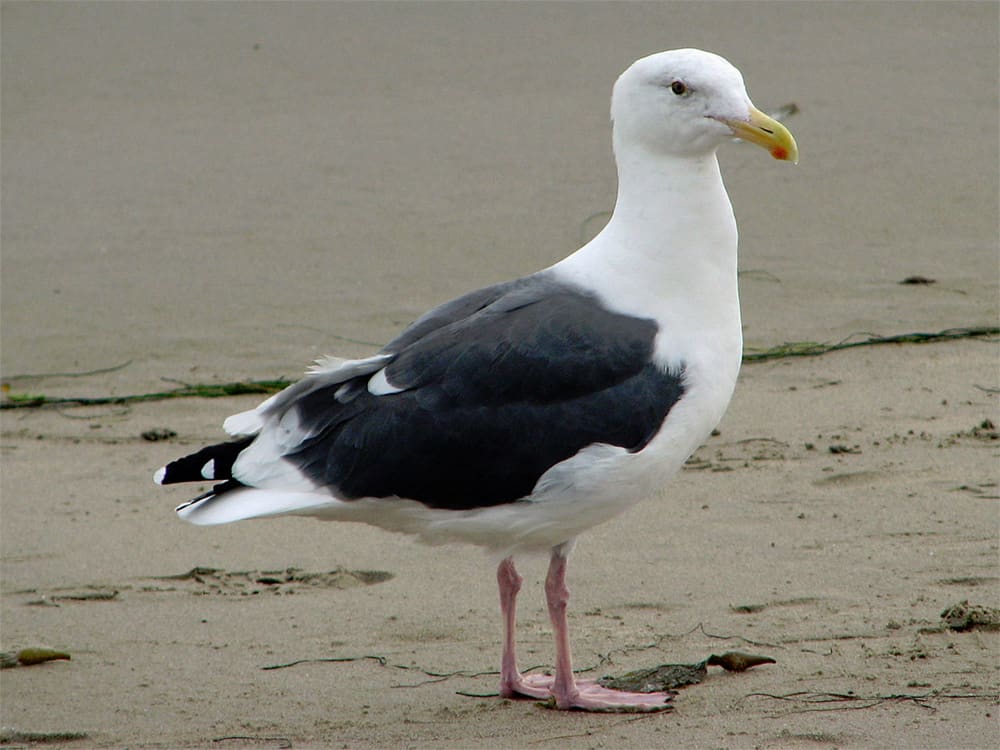
The western gull is the only common large dark-backed gull in its range. The heavy yellow bill stands out. Adult
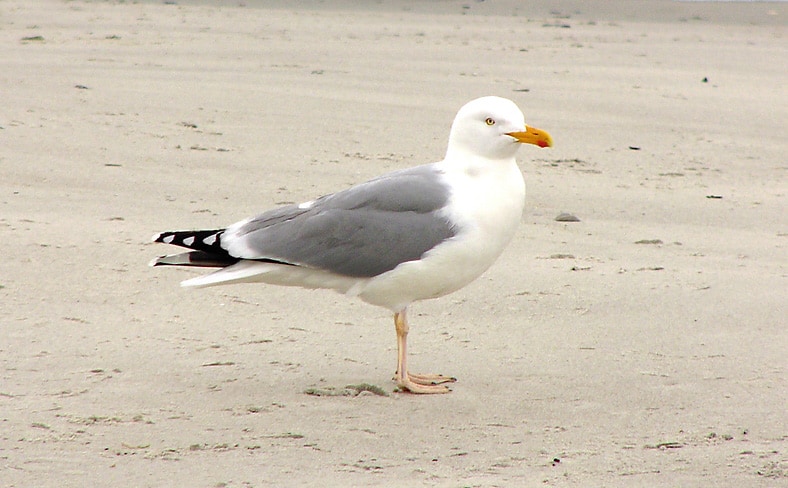
Our most common large gull continent-wide, the herring gull is heavy bodied and heavy billed. In summer adult plumage, the
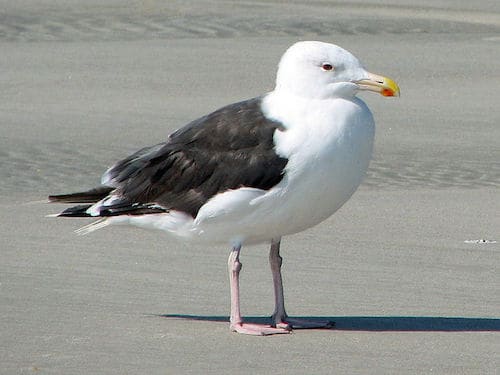
The great black-backed gull is the largest gull species in the entire world. It has a solid build with broad
Great Black-backed Gull Read More »
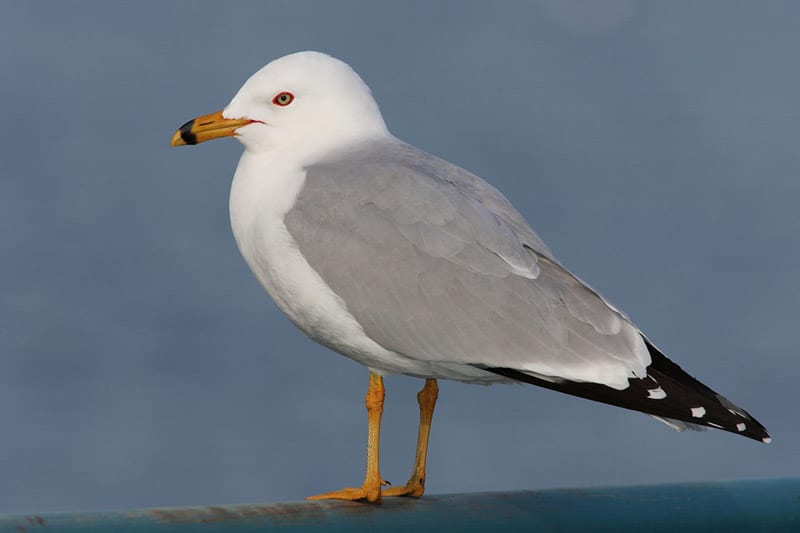
The ring-billed gull is a medium-sized (19 inches long) gull, and in adult plumage it has a light gray back