
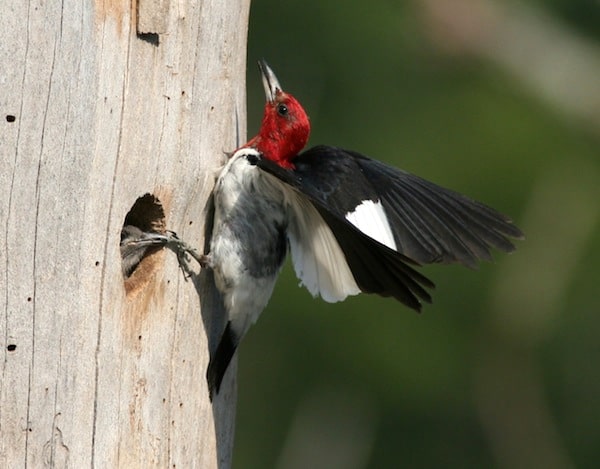
Red-headed Woodpecker
A striking combination of red, black, and white, the red-headed woodpecker is our most easily identifiable woodpecker and a favorite […]
Red-headed Woodpecker Read More »

A striking combination of red, black, and white, the red-headed woodpecker is our most easily identifiable woodpecker and a favorite […]
Red-headed Woodpecker Read More »
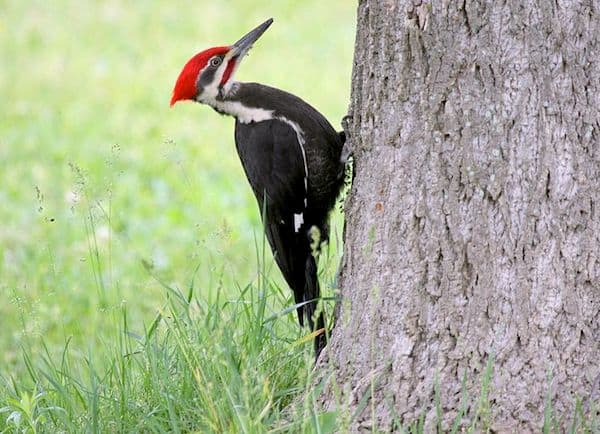
The pileated Woodpecker is the largest living woodpecker in North America. Both male and female pileated woodpeckers sport a red
Pileated Woodpecker Read More »
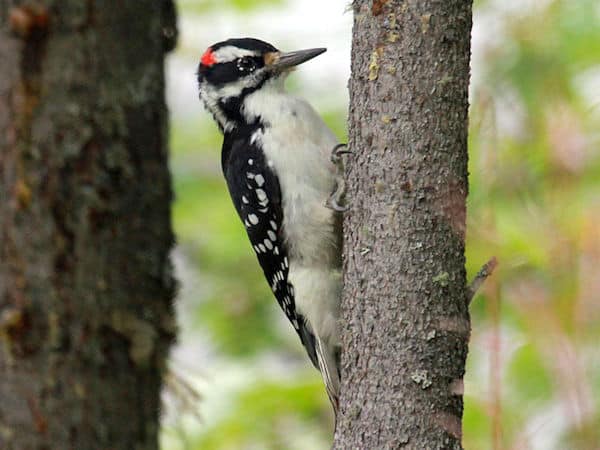
A familiar visitor to bird feeders, the hairy woodpecker is named for the long, hair-like white feathers on its back.
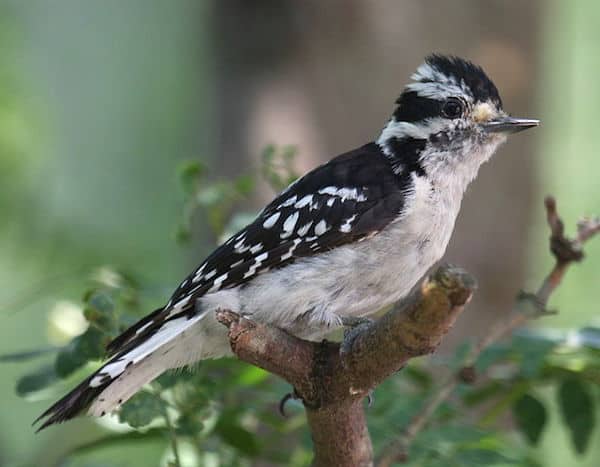
The downy is the smallest (6 ¾ inches long), most common, and most widespread woodpecker. Its black-and-white plumage is similar
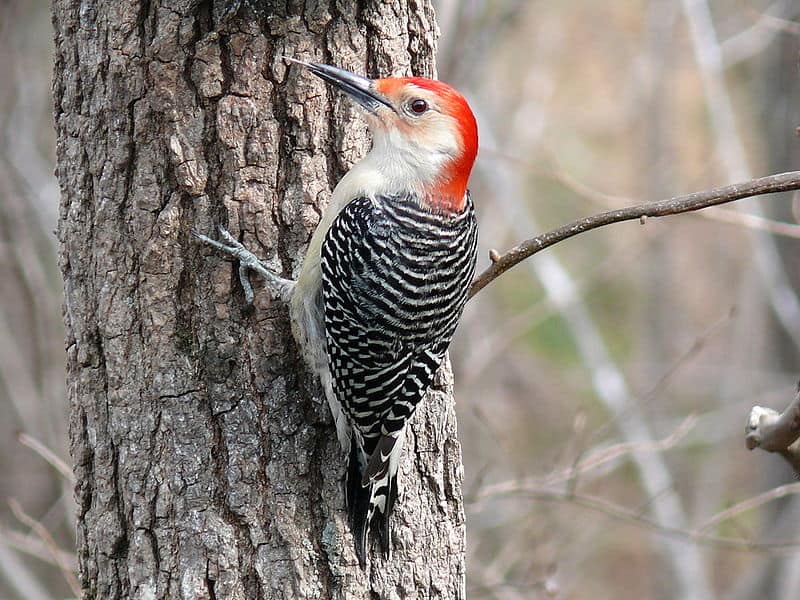
It is immediately recognized by the black-and-white zebra barring on the back and the red cowl, which is limited to
Red-bellied Woodpecker Read More »
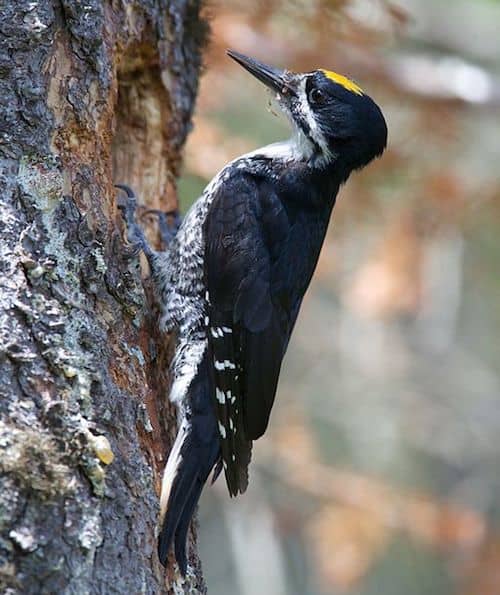
Blackbacks are northern birds that inhabit bogs and burned over areas where they forage on dead and dying trees, flaking
Black-backed Woodpecker Read More »
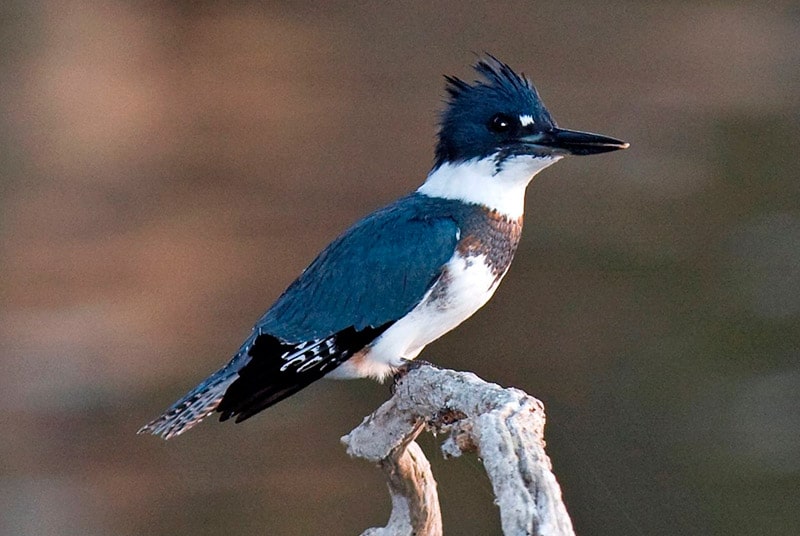
Roughly 13 inches long with a shaggy crest and a heavy, dagger-like bill, the belted kingfisher is easily recognized. Both
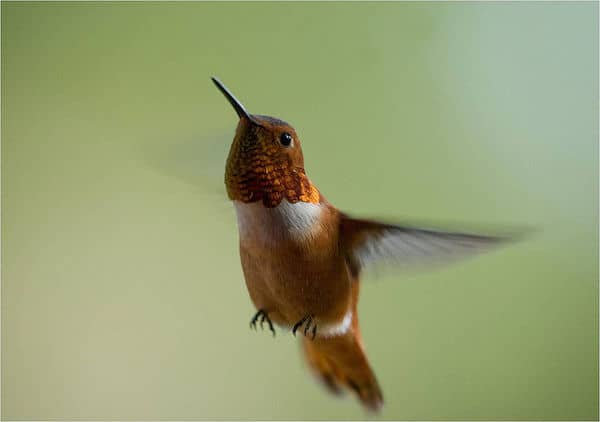
Males assert their territorial claims soon after their mid-February arrival on the breeding grounds by means of a “O”-shaped or
Rufous Hummingbird Read More »
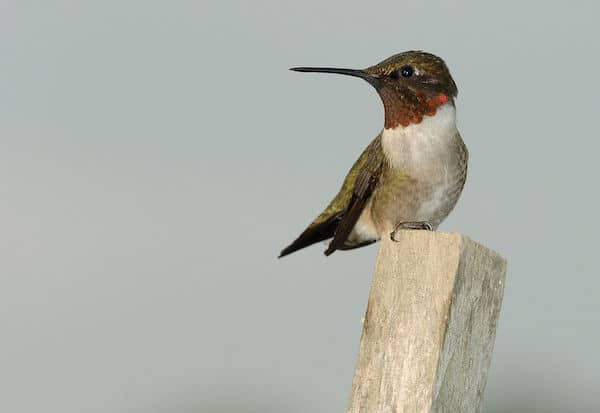
Males stake out territories at luxuriant stands of flowers or at feeders, where they aggressively defend against competing males. Other
Ruby-throated Hummingbird Read More »
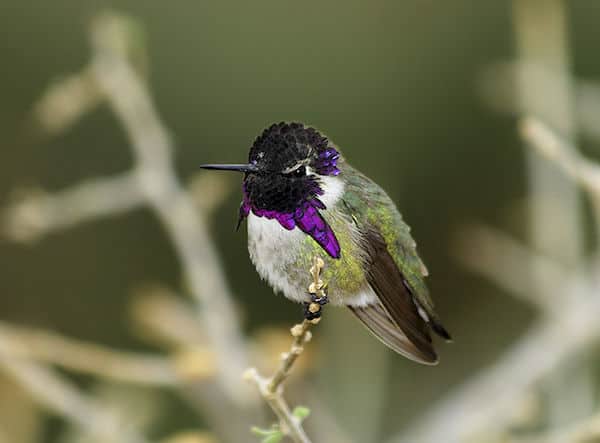
The hottest, most arid deserts of southern California and Arizona are home to the 3 ½-inch Costa’s hummingbird. Both the
Costa’s Hummingbird Read More »
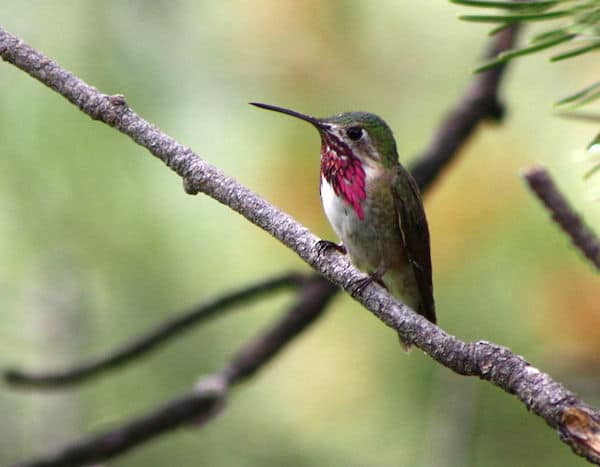
The males’ “U”-shaped displays are accompanied by a metallic tzing, meant to dazzle a prospective mate. The magenta gorget feathers
Calliope Hummingbird Read More »
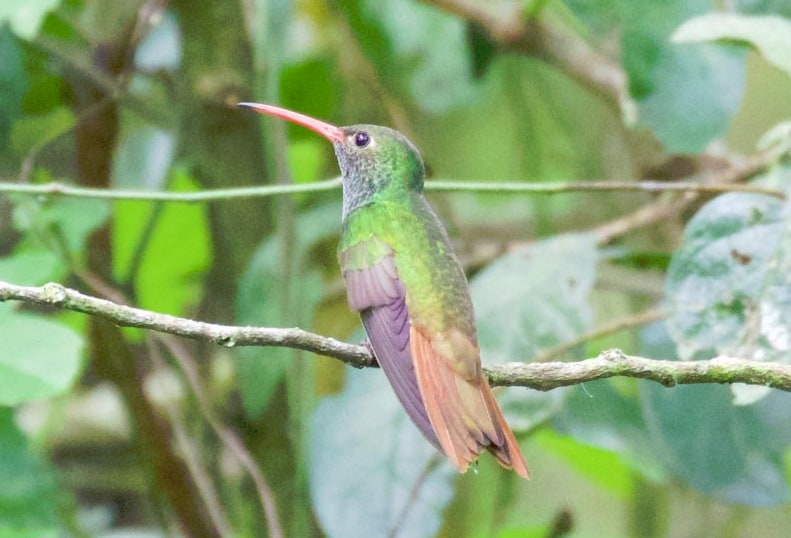
Buff-bellied hummingbirds have not been as intensively studied as most other hummingbirds that nest in North America. An amazing vocal
Buff-bellied Hummingbird Read More »