
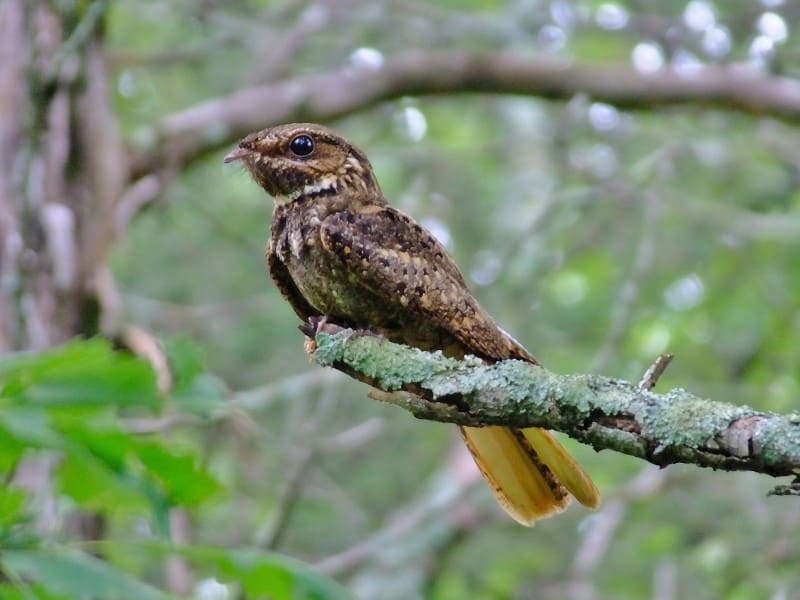
Birding Southeast USA
The list of avian specialties of the southeastern states is long: anhinga, wood stork, glossy ibis, snail and scissor-tailed kites, […]
Birding Southeast USA Read More »

The list of avian specialties of the southeastern states is long: anhinga, wood stork, glossy ibis, snail and scissor-tailed kites, […]
Birding Southeast USA Read More »
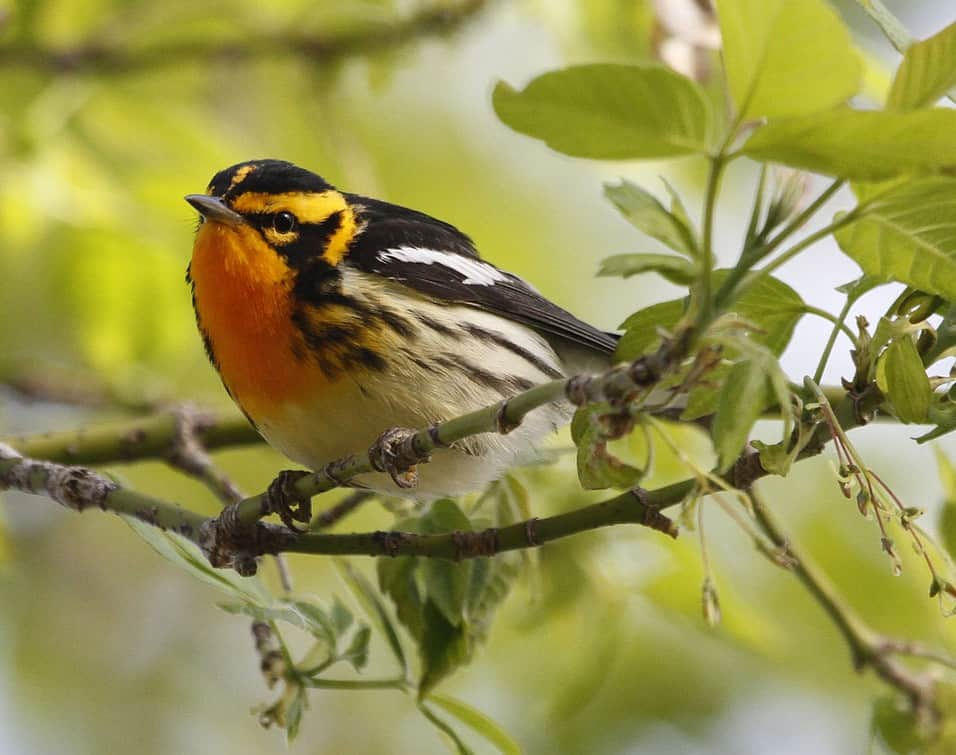
Cool summers, colorful autumns, ephemeral spring wildflowers, Appalachian Mountains, and the heart of eastern deciduous hardwood forests. New England is
Birding Northeast USA Read More »
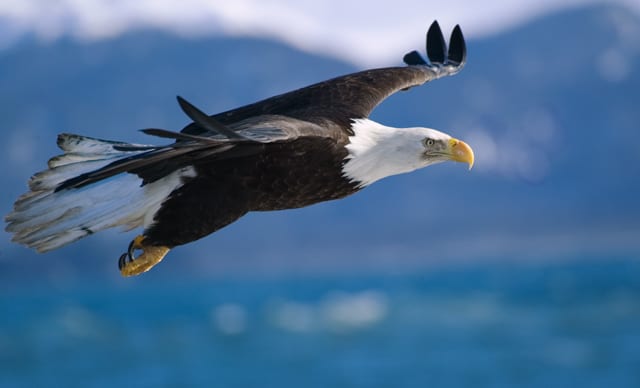
From Maine to California, Washington to the Florida Keys, the United States of America offers amazing birding opportunities and innumerable
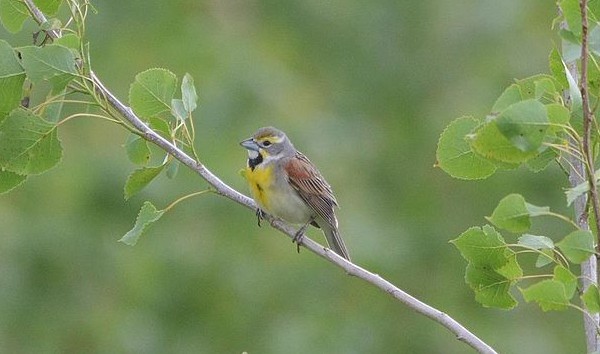
Look For Looking like a miniature meadowlark with its black V on a yellow breast, the breeding-plumaged male dickcissel has
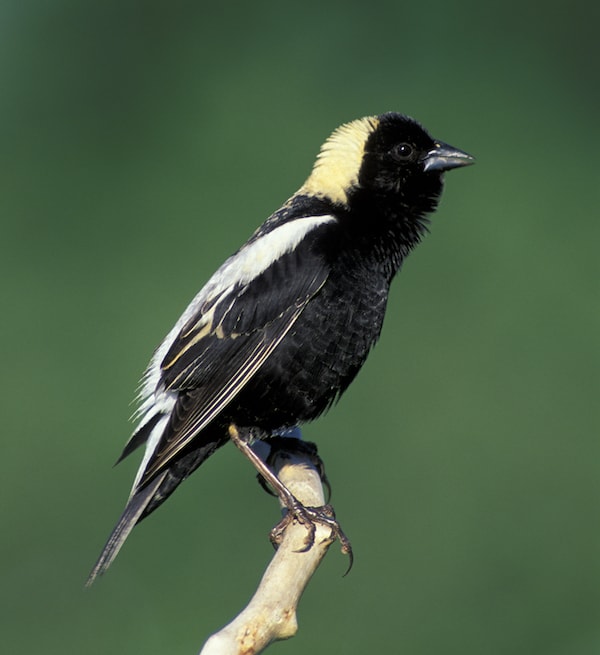
Look For Male bobolinks go through a dramatic plumage change from spring to fall. In summer, the male is a
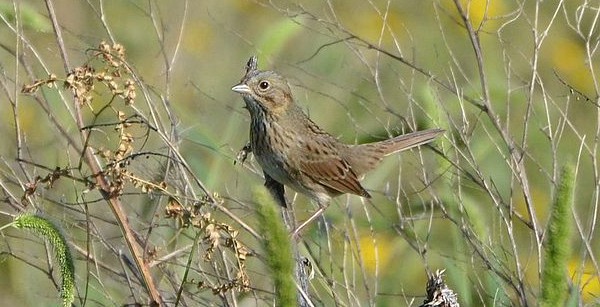
Look For Lincoln’s sparrow is often considered one of the more elusive North American birds because of its usually solitary
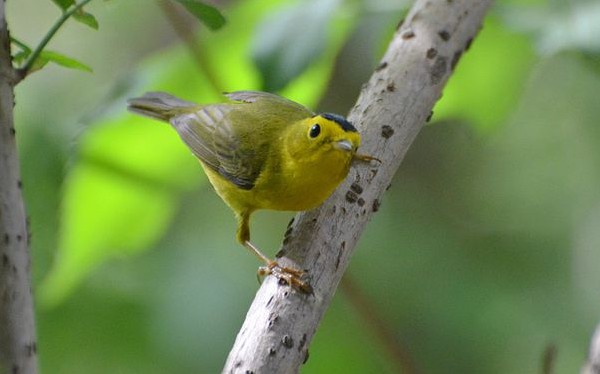
Look For The Wilson’s warbler is a small wood warbler at about 10-12 cm in length. Adult males have yellowish,
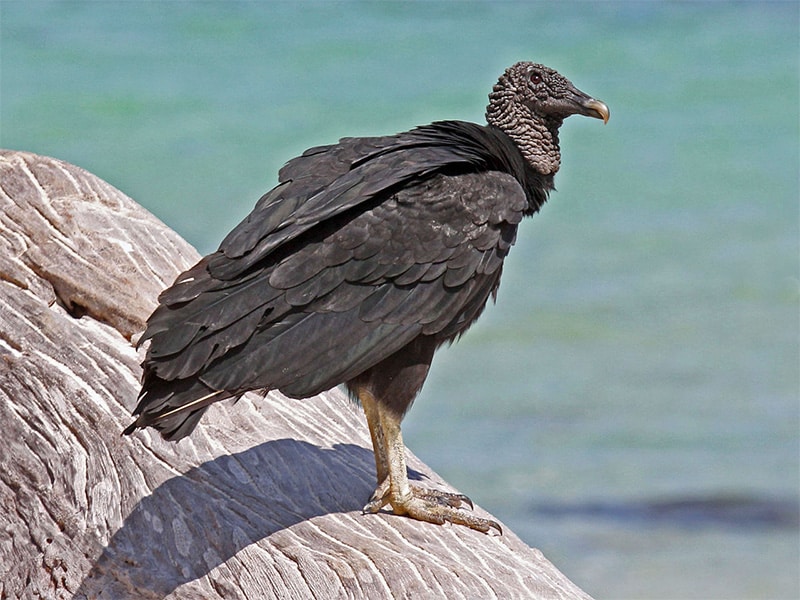
Look For With its distinctive gray “light bulb head” and shorter, broader wings, the black vulture can easily be distinguished
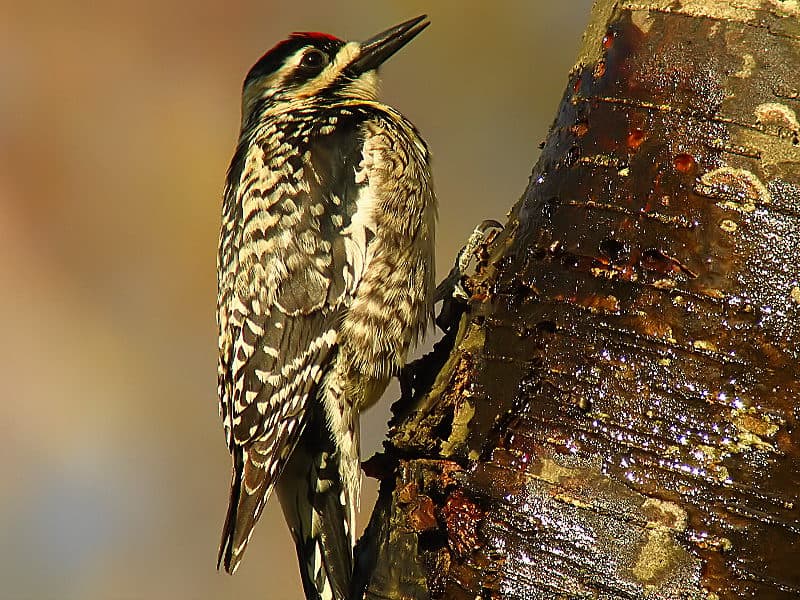
Look For The yellow-bellied sapsucker is a medium-sized woodpecker (8 ½ inches in length) with extensive black-and-white barring over much
Yellow-bellied Sapsucker Read More »
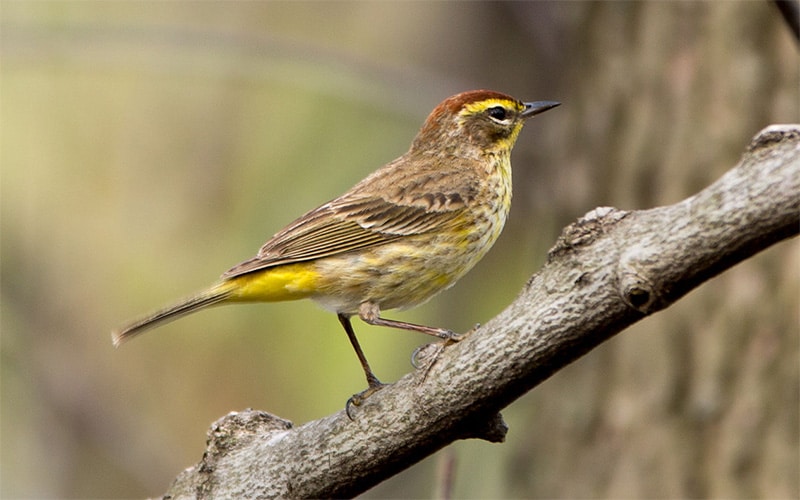
Look For Only 5 inches long, the adult palm warbler in spring has an olive back, yellow or yellow-white underparts
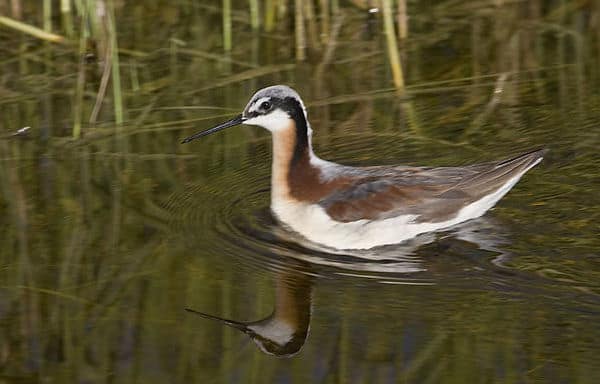
Look For Wilson’s phalarope, a member of the sandpiper family, is the largest of the three phalarope species. Distinguishing characteristics
Wilson’s Phalarope Read More »
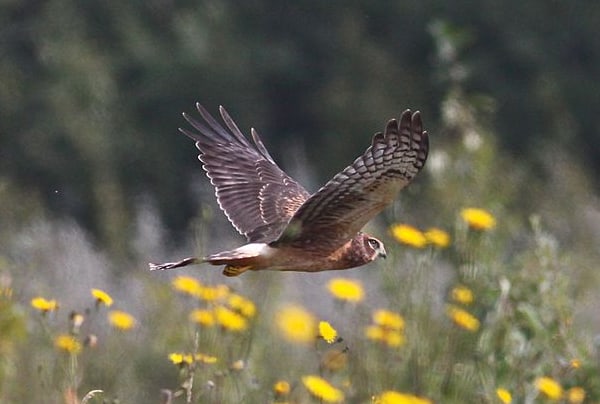
Look For Northern harriers appear large in the field, due to their long, narrow wings (38- to 48-inch wingspan) and